Common Problems
Automatic Cycles Stop Early, Timed Cycles Are Fine. That Is the Sensor
When an Electrolux dryer stops before clothes are dry on automatic cycles while timed cycles work perfectly, the moisture sensor is the cause. This maker publishes it as error code E 4 with unusually generous wording: the dryer completes its current cycle and manual cycles keep working. The sensor is a pair of metal strips inside the drum opening that measure the electrical resistance across damp fabric, and the commonest reason they stop reading correctly is a film of fabric softener rather than a failed part. Wipe both strips with a little rubbing alcohol and run an automatic cycle. If the behavior returns, the sensor or its harness needs attention — and saying that timed cycles still work narrows the part before anybody arrives.
The full guide
An Electrolux dryer that stops before clothes are dry, but only on the automatic cycles, has told you which part it is before you have opened anything.
What an automatic cycle actually measures
Not time. Not temperature. Conductivity.
Damp fabric conducts electricity; dry fabric does not. Two small metal strips sit inside the drum opening, and as laundry tumbles past it briefly bridges them. The control watches how the resistance across that gap changes over the cycle, and when the readings say dry, it stops.
That is a genuinely good design. It is also entirely dependent on those two strips being able to read what touches them.
Which is why fabric softener defeats it
Softener and dryer sheets leave a film on everything inside the drum, including the strips. The film insulates them. The resistance reads high. The machine concludes — correctly, from its own point of view — that the load is dry, and stops.
Nothing has failed. The sensor is reading exactly what it is being given.
The fix takes a minute
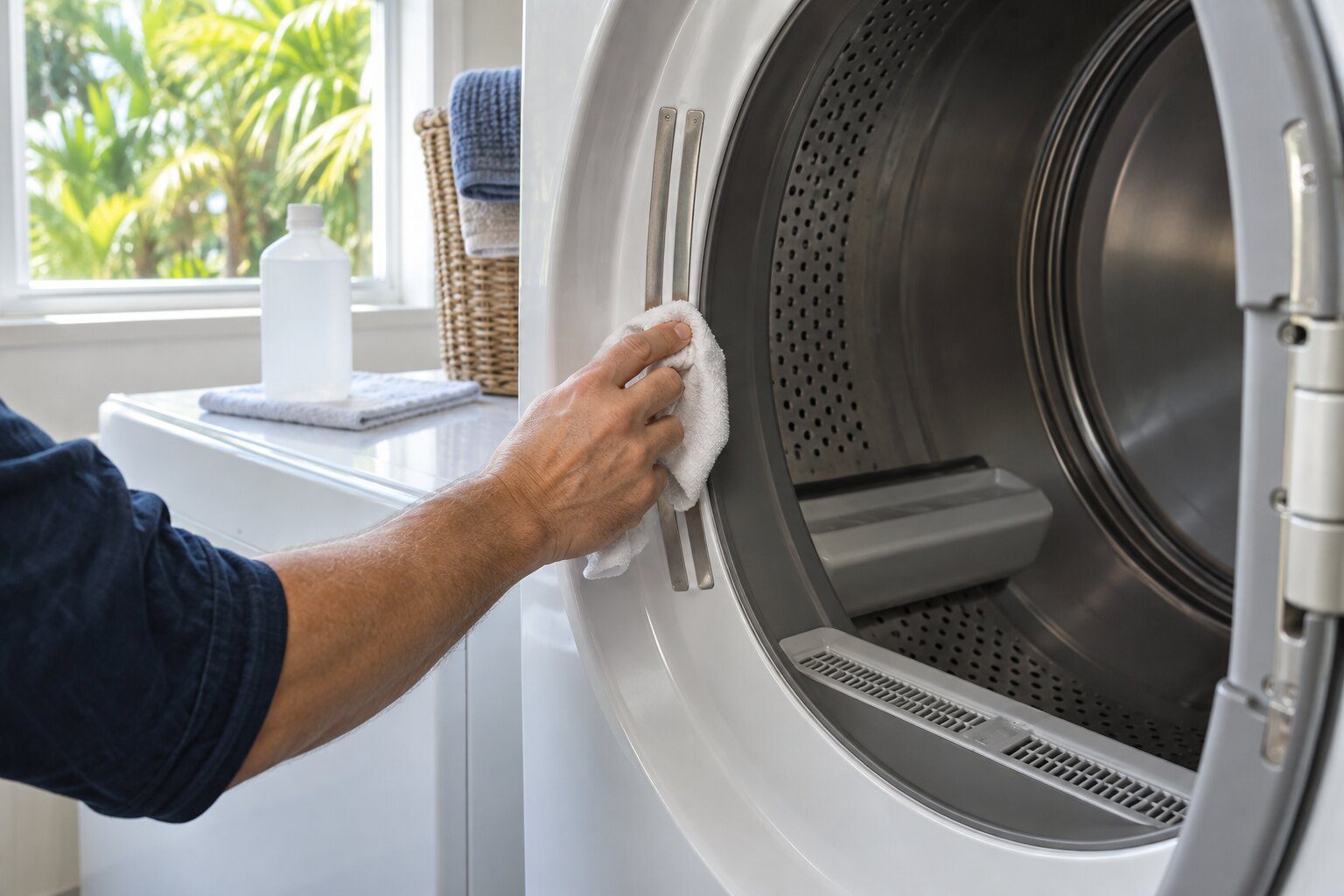
Find the two metal bars inside the drum opening — they are usually on the front bulkhead, low down, a few inches apart. Wipe both with a cloth and a little rubbing alcohol until they are bare metal again.
Then run an automatic cycle with a normal-sized load and see whether it stops at the right point. That test tells you more than any measurement will.
What the maker says, and why it is worth reading
This is one of the more generous entries in this maker's whole code list. E 4 is published as *humidity sensor failed* — and then: *your dryer will complete the current cycle and you can still operate manual cycles. If the error code continues, schedule service.*
In other words, the machine keeps working. What you have lost is a feature, not a dryer. Timed cycles behave exactly as they always did, and using them is a perfectly reasonable way to carry on while you decide what to do.
That is also the fact worth mentioning when you book. "Automatic cycles are wrong and timed cycles are fine" narrows this to one part before a technician leaves the van.
The version that is not the sensor
A very small load. One or two items tumbling can miss the strips entirely, so the control never gets a reading. It is not a failure and it explains complaints that come and go.
Everything wrong, timed cycles included. Then this is not the sensor. That is heat and airflow, and it belongs with the duct rather than here.
Over-drying rather than under-drying. Same sensor, opposite reading — usually a harness or a connection rather than a film, and worth booking rather than living with. Clothes cooked dry are wearing out faster than they need to.
If it turns out to be a repair
What this leads to, and what it costs
Every job on this site is priced the same way: an on-site diagnostic first, the figure agreed in writing before anybody starts.
-
Dryer stops before the load is dry
That combination is the moisture sensor, and this maker publishes it as E 4 with unusually generous wording: the dryer keeps working and what you lose is the automatic programs. The sensor is a pair of metal strips inside the drum opening reading the resistance across damp fabric, and the commonest reason they stop reading is a film of fabric softener rather than a failed part.
- Automatic cycles wrong while timed cycles are right — that is the sensor
- E 4, and the maker's own note says the machine keeps working
- Softener film across the strips is the usual cause and it is free
-
Dryer error code E 4
Electrolux dryer error code E 4: The moisture sensor has stopped reporting, so the dryer no longer knows when the load is dry. Which machines can raise it, what the maker publishes about it, and what to do next.
What this one means

Questions people ask about this
Do I have to stop using dryer sheets?
No, but they will bring this back. Wiping the strips every few months is the easier trade, and it takes under a minute.
It over-dries rather than stopping early.
Same sensor, opposite reading, and usually a harness or a connection rather than a film. Worth booking — over-drying is hard on fabric and on the machine.
Small loads finish wet and large ones are fine.
A single item tumbling can miss the strips entirely, so the machine never gets a reading from it. Not a failure, and it explains a lot of intermittent complaints.
Common Problems
More guides like this one
-
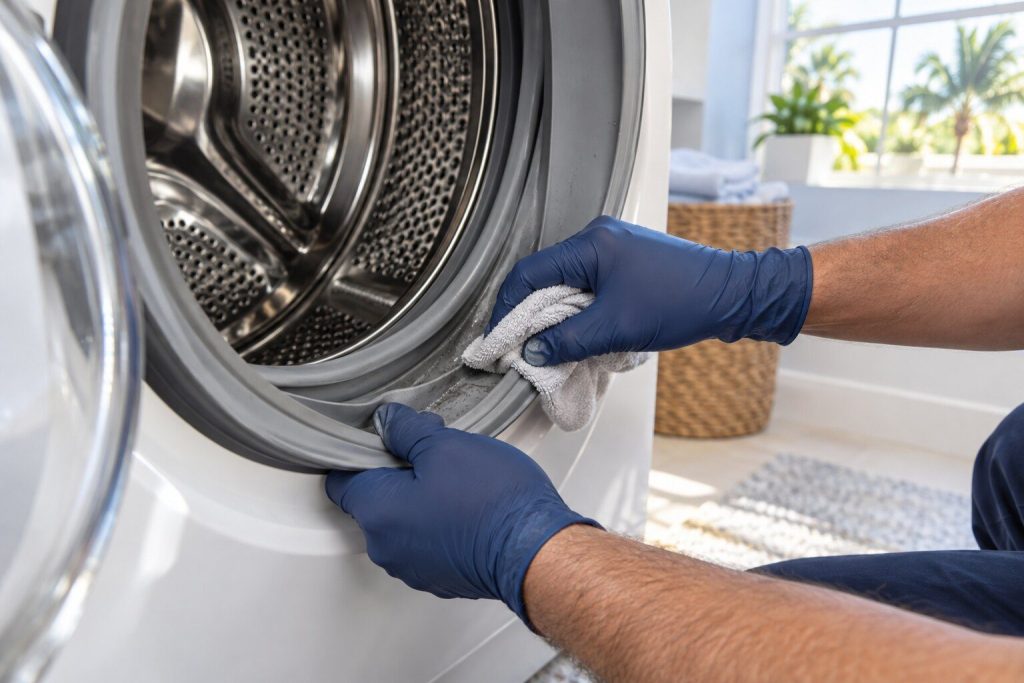
Why a Front-Load Washer Smells, and Why It Is Worse Here
The seal that lets these machines wash in so little water is the same seal that traps it. In a laundry closet at this humidity the fold at the bottom of the gasket is still damp when the next load goes in.
Read more -
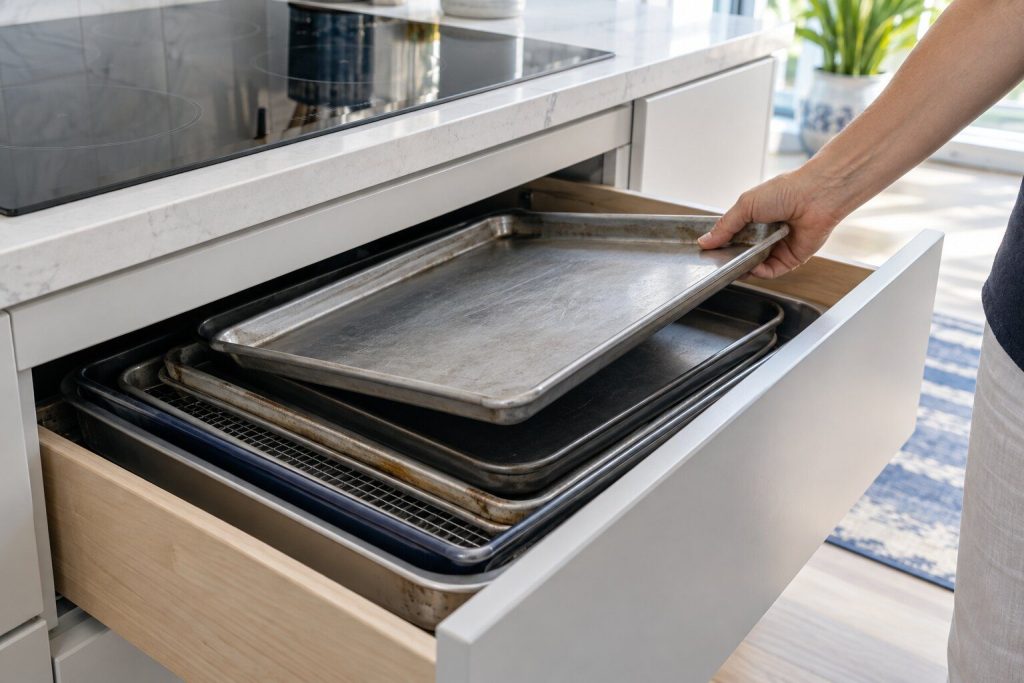
Your Induction Zone Cut Out. Three of the Four Reasons Are Not a Failure
Every glass cooking surface this maker builds is induction, so the general advice about radiant tops does not apply. A drawer packed tight underneath is a genuine cause and appears in no troubleshooting list anywhere.
Read more -
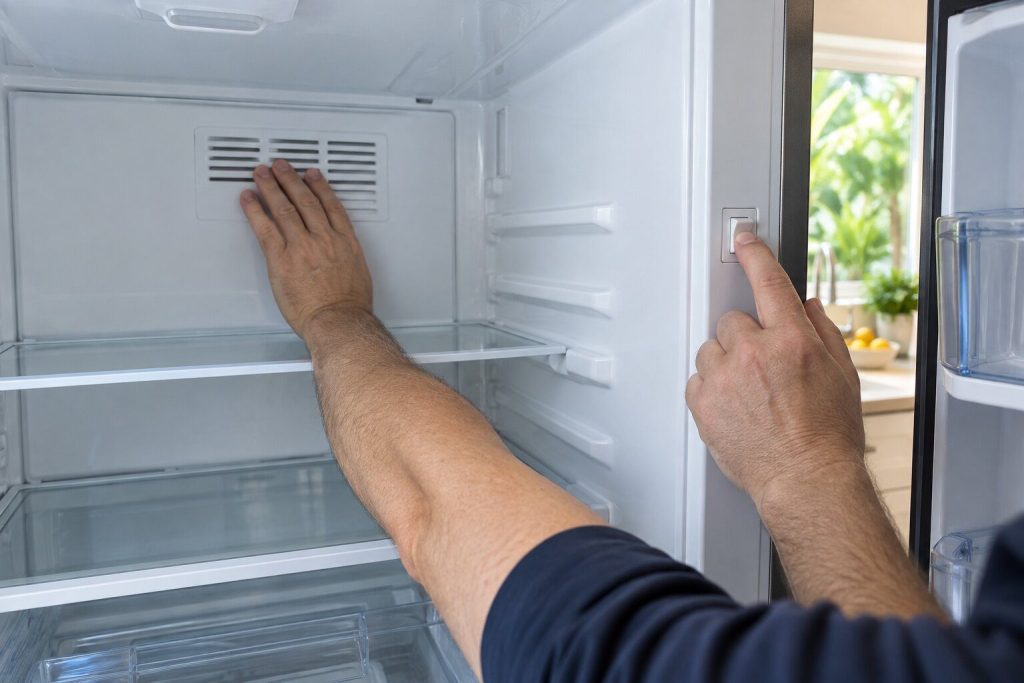
Warm Fridge, Cold Freezer: Why That Is Usually Good News
One sealed system serves both compartments and air is carried between them. So a single warm side points at the air path rather than at refrigerant — the inexpensive half of refrigeration.
Read more
Tell us the model number and what it is doing.
This article is based on:
- Official manufacturer documentation
- Internal repair procedures
- Technician repair history
- Company quality standards