
Common Problems
When One Load Needs the Dryer Run Twice, It Is the Duct
An Electrolux dryer taking too long is almost always airflow, and this maker publishes an error code for it — EF1, ventilation blockage — whose entire solution is the duct. Start with the lint filter and hold it up to a light: fabric softener leaves a film that passes lint while blocking air, and it looks perfectly clean in the hand. Then pull the machine forward and check the flexible hose behind it, because a dryer pushed back so a closet door will shut folds its own vent. Then the run itself, where the blockage usually is — a flap held shut by lint, a bird's nest, or a screen somebody fitted. In a condominium that run is long, vertical and inaccessible to the resident, and a dryer working three times as hard is also running three times as hot.
The full guide
An Electrolux dryer taking too long has been telling you something for months, and this is the one page on this site where doing nothing is genuinely unsafe.
The manufacturer publishes a code for it
EF1 — ventilation blockage. Check the lint filter. Check the exhaust tube for bends, restrictions and blocks. Check the vent exit. And then, unusually, this: *this is a known installation issue, please contact your installer.*
Manufacturers do not often send a code back to whoever fitted the machine. That they do it here tells you where the problem actually lives.
Start with the filter, and test it properly
Clean the lint filter — and then hold it up to a light.
Fabric softener and dryer sheets leave a film across the mesh that passes lint perfectly well and blocks air almost completely. In the hand it looks spotless. Against a light you can see whether you are looking through it or at it.
If you cannot see through it clearly, wash it in hot water with a little detergent, rinse it, dry it, and try again. That is free and it is the answer more often than anybody expects.
Then the hose behind the machine
Pull the dryer properly forward — not just far enough to look down the back.
A dryer pushed back so a louvered closet door will close folds its own flexible vent against the wall. The installation was perfectly good on the day; the problem arrives weeks later when somebody closes the door. Foil concertina hose is worse than rigid or semi-rigid, and it crushes without leaving a mark.
Then the run, which is where it usually is
Put the machine on an air-only cycle and go outside to the vent exit. The flap should stand fully open with enough air behind it to feel on your hand.
If it barely moves, the blockage is in the run — and in a condominium that run goes up through a wall to a roof or a soffit, with elbows, and the part that has closed up is the end no resident can reach. A flap held shut by compacted lint, a bird's nest, or a screen fitted with entirely good intentions are the three we find.
Why this is a safety page rather than an efficiency one
A dryer that needs two or three cycles is not just wasting money. It is running its heater far longer per load than the design assumed, against restricted airflow, with lint accumulating in the restricted part of the run.
That is the documented mechanism of a dryer fire. It is also why the thermal fuse exists, and why replacing a blown one without clearing the duct simply blows the next one.
We clear what we can reach and tell you plainly, in writing, when the rest needs the building's own people. A blocked run is not a repair we can bill for and it is not one to defer.
If it turns out to be a repair
What this leads to, and what it costs
Every job on this site is priced the same way: an on-site diagnostic first, the figure agreed in writing before anybody starts.
-
Dryer takes too long
Airflow, nearly always, and it is worth acting on rather than living with. This maker publishes EF1 for a ventilation blockage and sends it to the installer rather than to service, which in a South Florida building is more reasonable than it sounds: the run goes up through a wall to a roof or a soffit, it is long, it has elbows, and the part that blocks is the end nobody can see. This is a fire risk before it is a repair.
- EF1 is the maker's own code and the whole answer is the duct
- In a condominium the run is vertical, long and invisible from inside
- A dryer working three times as hard is running three times as hot
-
Dryer error code EF1
Electrolux dryer error code EF1: The dryer has measured its own airflow and found it insufficient. Which machines can raise it, what the maker publishes about it, and what to do next.
What this one means

Questions people ask about this
How often should the run be cleaned?
Roughly every two years in this region, and more if the run is long or the household is large. The lint filter is every load, and it is not the same job.
The filter looks clean.
Hold it up to a light. Softener residue passes lint and blocks air while looking spotless. Washing it in hot water with a little detergent is free and it catches a surprising share of these.
It is not blocked, it is just old.
Possibly, but check first. A dryer that has slowly doubled its cycle time over three years is describing a duct narrowing, not an appliance aging.
Common Problems
More guides like this one
-
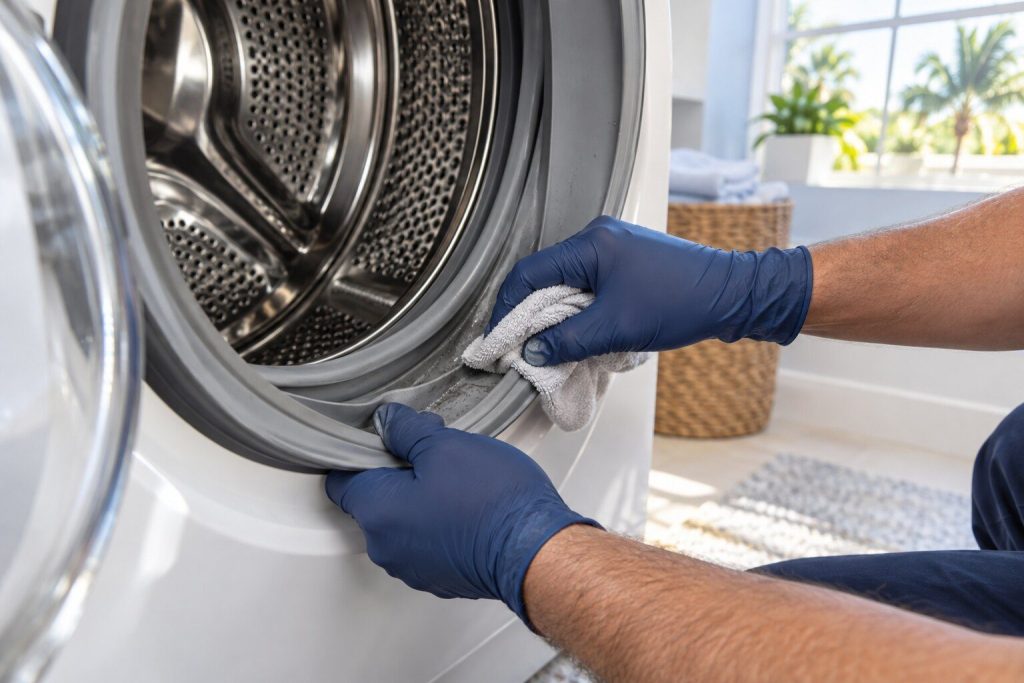
Why a Front-Load Washer Smells, and Why It Is Worse Here
The seal that lets these machines wash in so little water is the same seal that traps it. In a laundry closet at this humidity the fold at the bottom of the gasket is still damp when the next load goes in.
Read more -
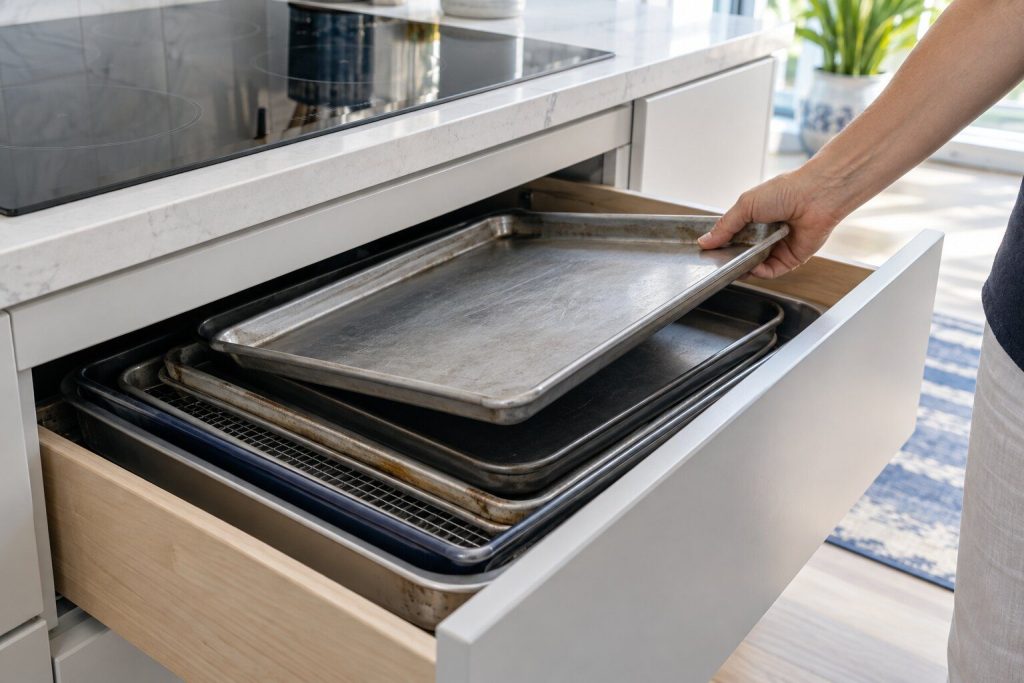
Your Induction Zone Cut Out. Three of the Four Reasons Are Not a Failure
Every glass cooking surface this maker builds is induction, so the general advice about radiant tops does not apply. A drawer packed tight underneath is a genuine cause and appears in no troubleshooting list anywhere.
Read more -
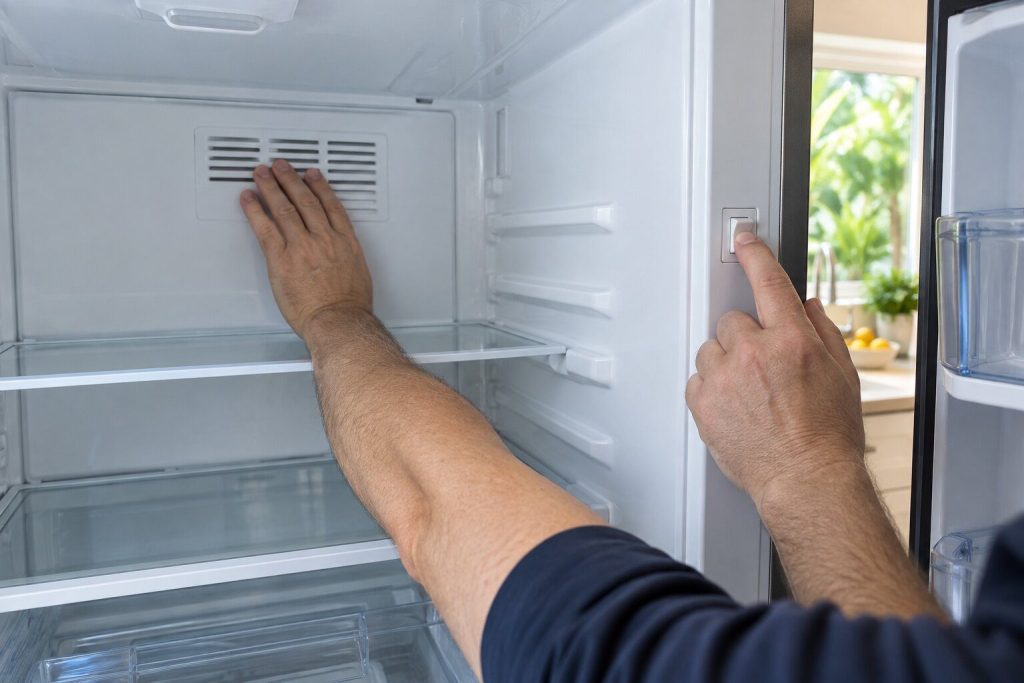
Warm Fridge, Cold Freezer: Why That Is Usually Good News
One sealed system serves both compartments and air is carried between them. So a single warm side points at the air path rather than at refrigerant — the inexpensive half of refrigeration.
Read more
Tell us the model number and what it is doing.
This article is based on:
- Official manufacturer documentation
- Internal repair procedures
- Technician repair history
- Company quality standards