Appliance
Electrolux wine and beverage coolers
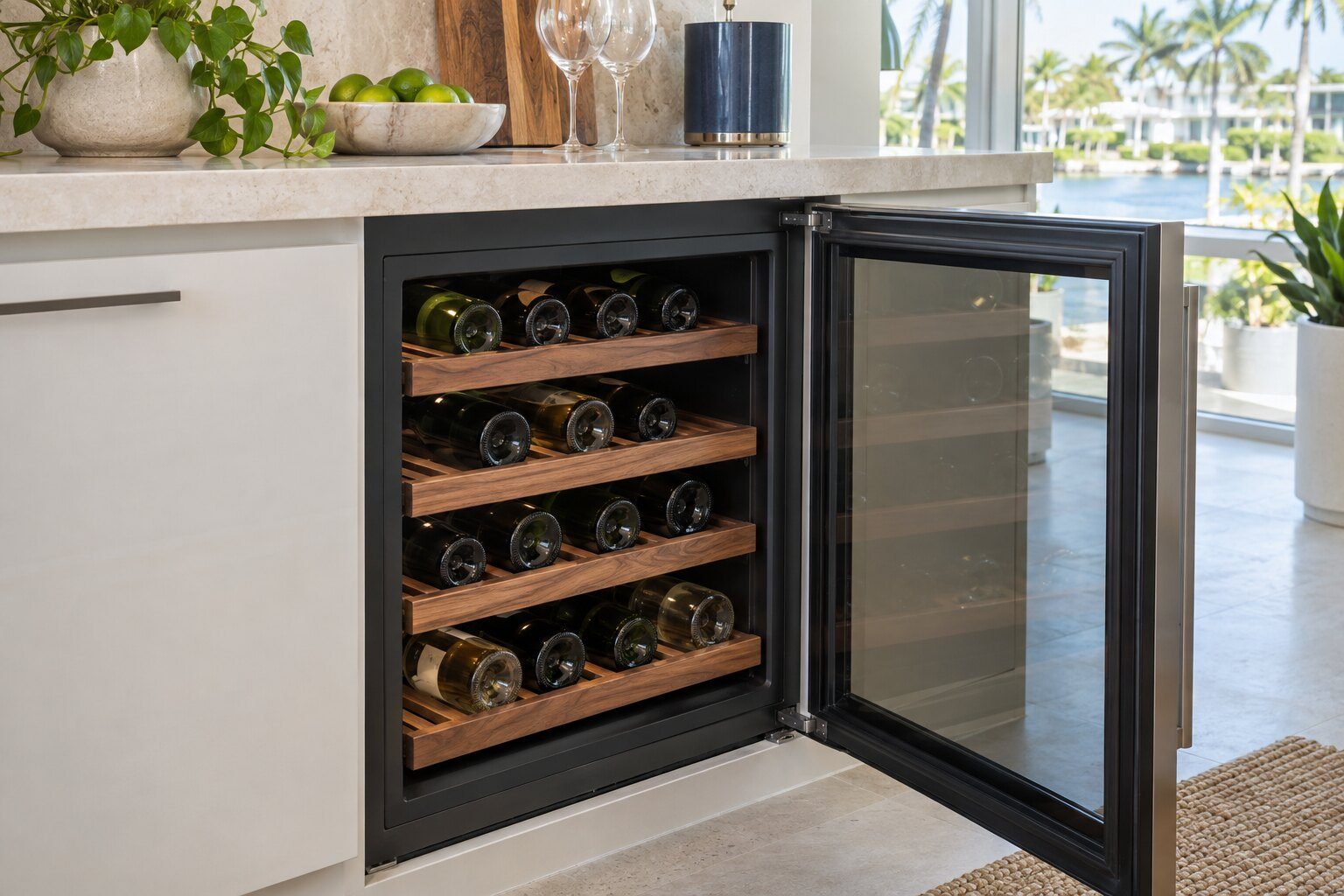
Two cabinets, both 24 inches and both under a counter: a wine cooler with wide walnut-slat shelving, and a 5.1 cubic foot beverage center. There is no full-height wine column on this badge and there never was in this generation — anybody selling you one has a different make in mind. These live in a bar run or an island, behind a glass door, in a house where the ambient never really drops, and the calls follow from that geometry rather than from any weakness in the machine: losing ground through a hot afternoon, misted glass, and a fan that has become audible from the next room.
- 1 symptoms we are called out to
- From $95 diagnostic, credited to the repair
- 59 cities and neighborhoods covered
- OEM parts available on order
The short version
What this equipment is, for a repair
Configurations
24-inch wine cooler · beverage center
Access
Planned before the visit, not discovered on arrival
Parts
OEM, available on order
Diagnostic
From $95, credited to the repair
What goes wrong with it
Symptoms we are called out to on Electrolux wine and beverage coolers
Each one covers the likely causes in the order they are worth checking, and what to do in five minutes before booking anything.
-
It drifts in the afternoon and catches up at night Wine cooler not cold enough
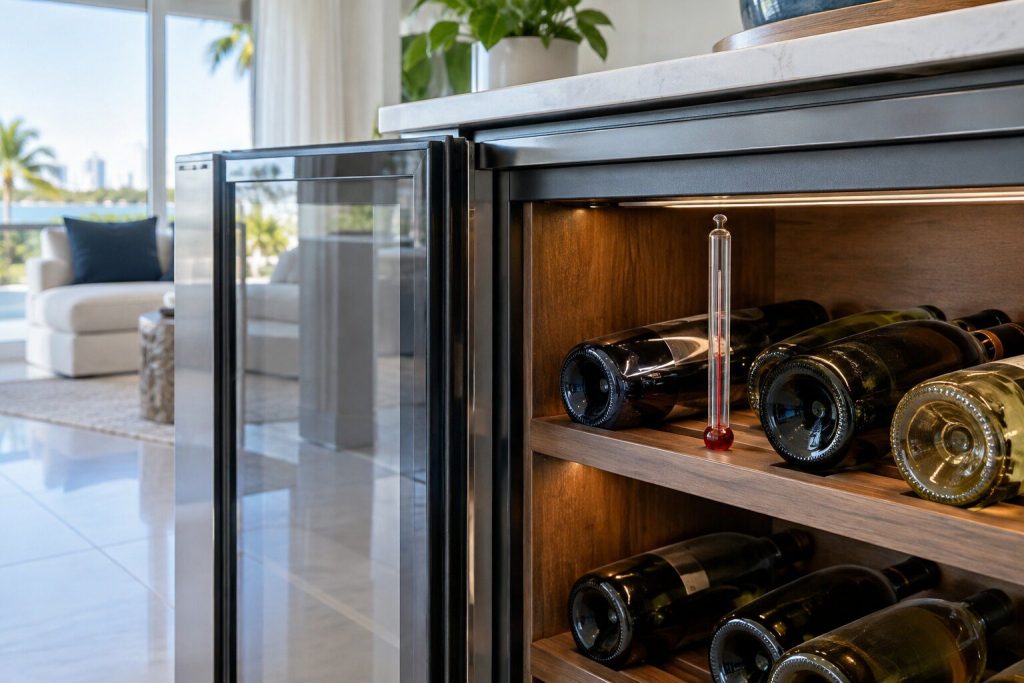
Both cabinets on this badge are 24-inch under-counter units with glass doors, and a glass door in a warm room is the entire thermal problem in one part. A cabinet that loses ground through the afternoon and recovers overnight is usually being beaten by the room and the installation rather than failing — flush into a bar run with no rear clearance and no front grille, it is re-breathing its own exhaust.
- Afternoon drift with overnight recovery usually means the installation
- No full-height wine column exists on this badge — these are under-counter cabinets
- Clearance, grille and condenser are one air path in a bar run
What we do on it
Repairs we carry out on Electrolux wine and beverage coolers
Starting figures for this equipment in South Florida. The exact cost is confirmed after an on-site diagnostic — and this is not the whole list of what can go wrong, so call if your problem is not here.
-
from $95 Diagnostic visit
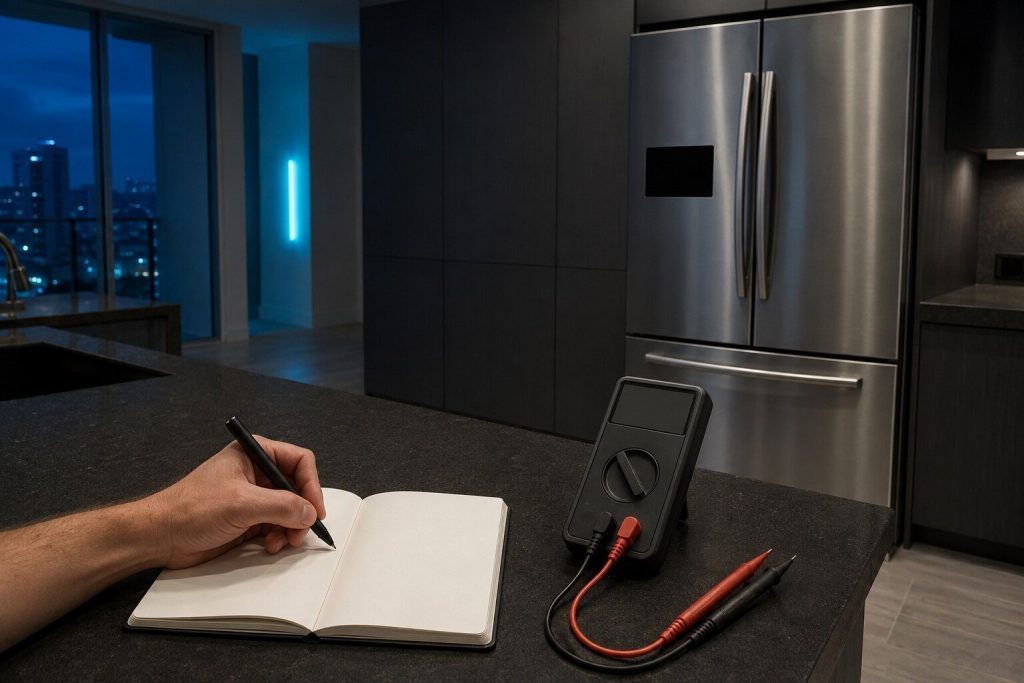
Finding out what has actually gone wrong, before any part is named or priced. On this badge the opening question is usually about access rather than age: a counter-depth cabinet scribed into an opening, a column captured behind a trim kit, a wall oven sitting in a tall unit — each has to be brought far enough forward to be reached, and establishing that in advance is what separates one appointment from two. The charge is credited against the repair if you go ahead. Where our honest recommendation turns out to be that the machine is not worth mending, you still get that recommendation, and the charge does not change.
- Access comes first — built-in equipment is most of what this badge sells
- A written figure ahead of the work, credited against the repair
- If mending it is the wrong call we tell you, rather than selling a part
-
from $175 Appliance installation
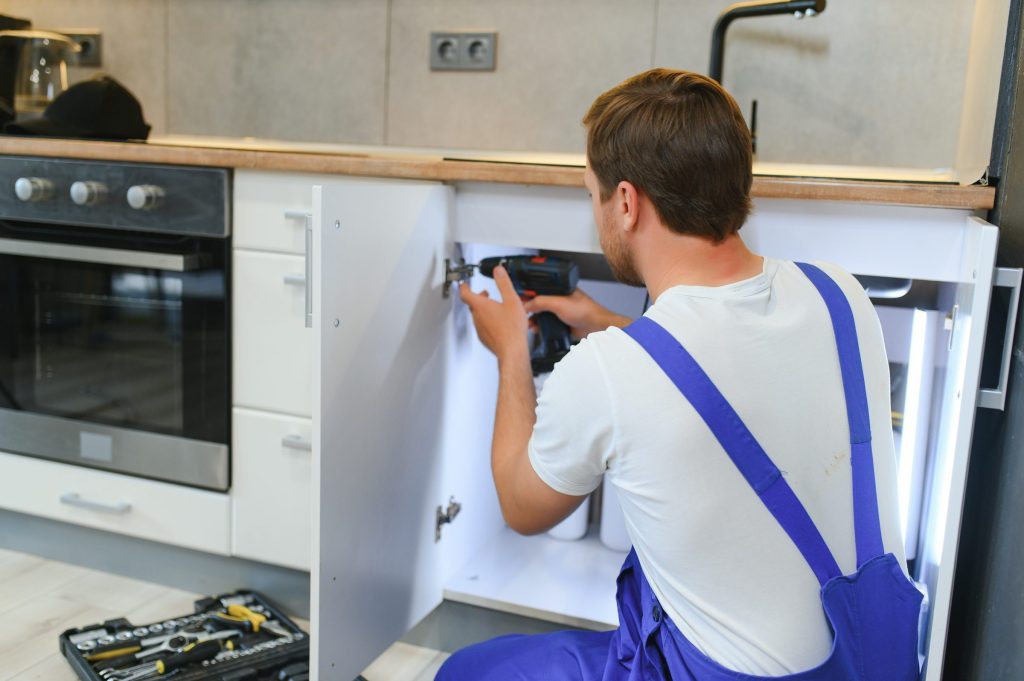
Fitting an appliance properly, which on this badge usually means fitting it into something. Columns go behind trim kits, counter-depth cabinets go into openings that were drawn for them, wall ovens and built-in microwaves go into tall units, and every one of those has a clearance and an air path that the appliance depends on. This maker sends three of its own washer codes and two of its dryer codes back to whoever installed the machine — which is a fair measure of how much installation decides here.
- Built-in work: trim kits, openings, clearances and air paths
- Five of this maker's published codes are installation problems, not failures
- Supply, drain and vent checked and documented rather than assumed
-
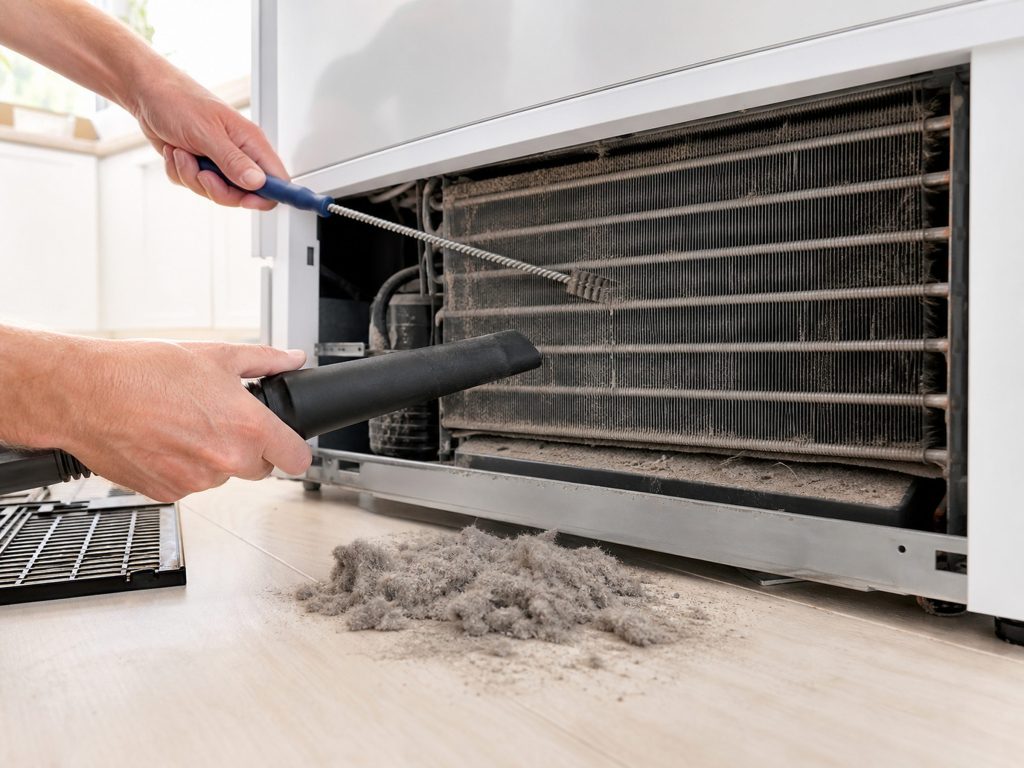
from $119 Condenser cleaning
The highest-value hour anybody spends on refrigeration in this region, and the one most reliably skipped. A condenser sheds the heat the cabinet removes, and in salt air within a few miles of the coast it silts up with a mixture nobody planned for. On a built-in column or a cabinet in a trim kit it is worse, because the air reaches the coil through a defined route that also collects. A choked condenser runs the compressor continuously and shortens the life of the most expensive part in the appliance.
- Coastal air loads a condenser faster than any specification allows for
- Built-in cabinets breathe through one route, and that route collects too
- The compressor is what this protects, and it is the part worth protecting
-
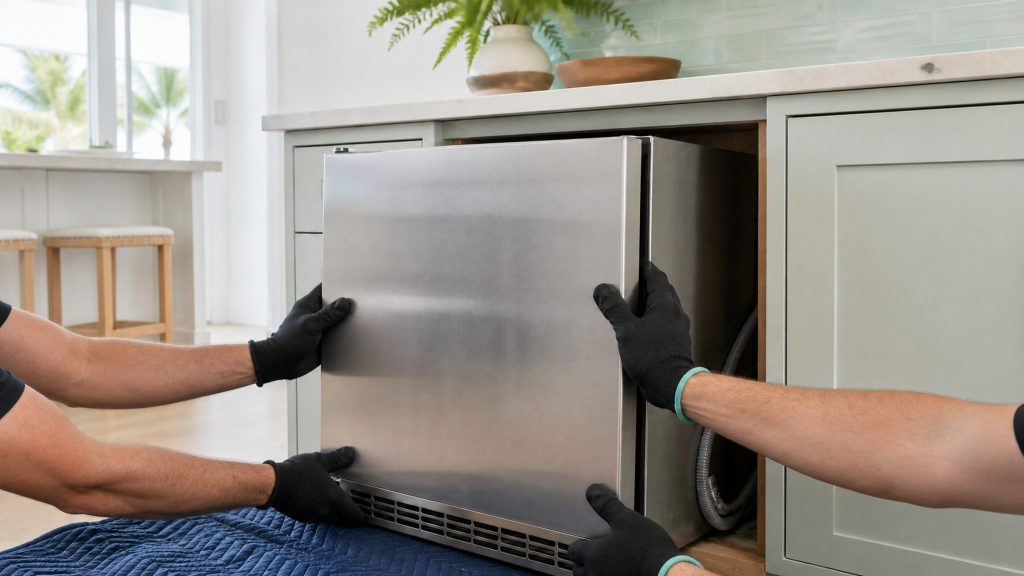
from $185 Built-in and column access
Not a repair in itself — the work that has to happen before one. Columns sit behind trim kits, counter-depth cabinets are scribed into openings, and under-counter units are captured by the countertop above them. Getting any of those out far enough to reach the back is genuine work, sometimes two people, and occasionally it means removing trim that was fitted by a joiner. We price it separately so you can see it rather than finding it inside a repair bill.
- Trim kits, scribed openings and captured under-counter units
- Priced separately so the access is visible rather than buried in a part
- Sometimes a two-person job, and we say so when we book it
-
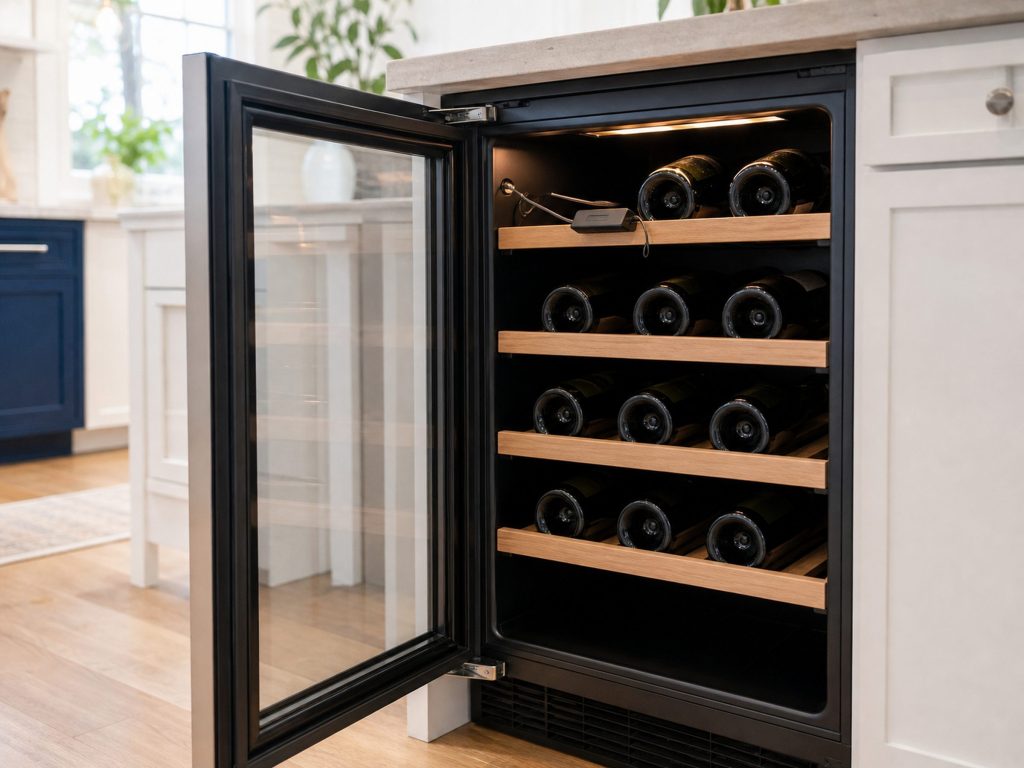
from $175 Wine cooler not cooling
Two cabinets carry this badge — a 24-inch wine cooler and a 24-inch beverage center — and each is a modest compressor working behind glass in a room that never really cools. Drifting through the hot part of the day and catching up again overnight points at how the unit was fitted far more often than at the unit itself: set flush with nothing behind it and no grille in front, a cabinet simply re-breathes its own warm exhaust. That gets examined before any component is condemned.
- Two under-counter cabinets, both glass-doored and both small-compressor
- Afternoon drift with overnight recovery usually means the installation
- The condenser and clearance are checked before any part is quoted
-
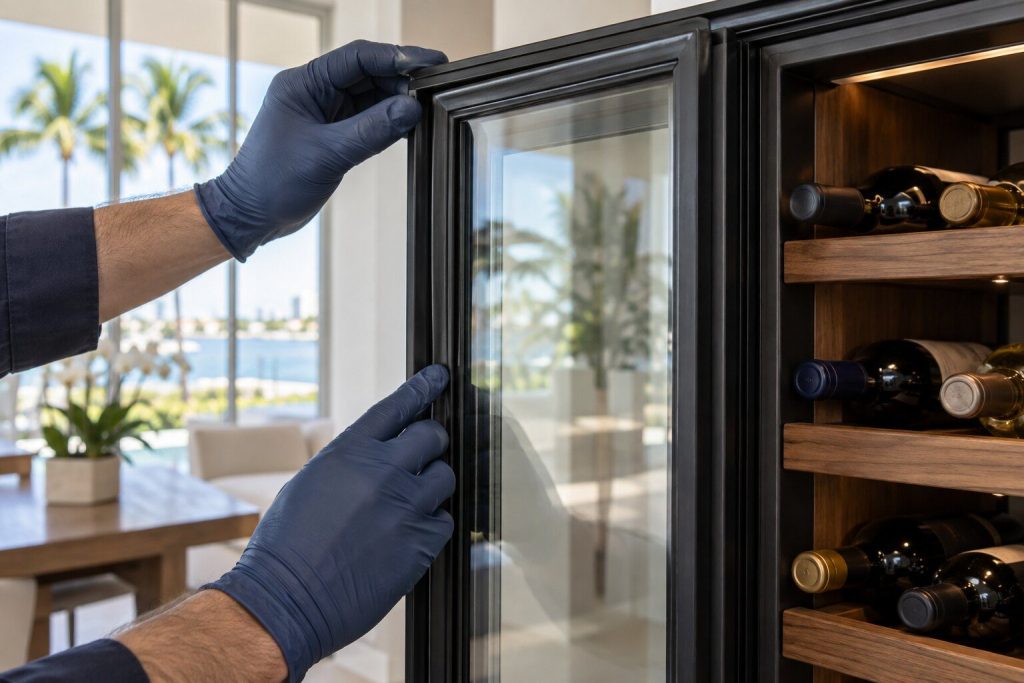
from $139 Wine cooler door and seal
Glass doors are the whole thermal problem of these cabinets in one part, and they are also where the ordinary complaints come from: misting on the inside, a door that no longer pulls shut, a hinge that has taken the weight of a glass panel for eight years. Constant condensation is rarely the glass — it is a seal that has lost its pull, a rack loaded so full the door never quite closes, or a setpoint below anything the wine asks for.
- Misting is usually the seal or the loading, not the glass
- A glass door is heavy and its hinges take that weight continuously
- Setpoint is worth checking before any part is ordered
-
from $109 Wine cooler shelving service
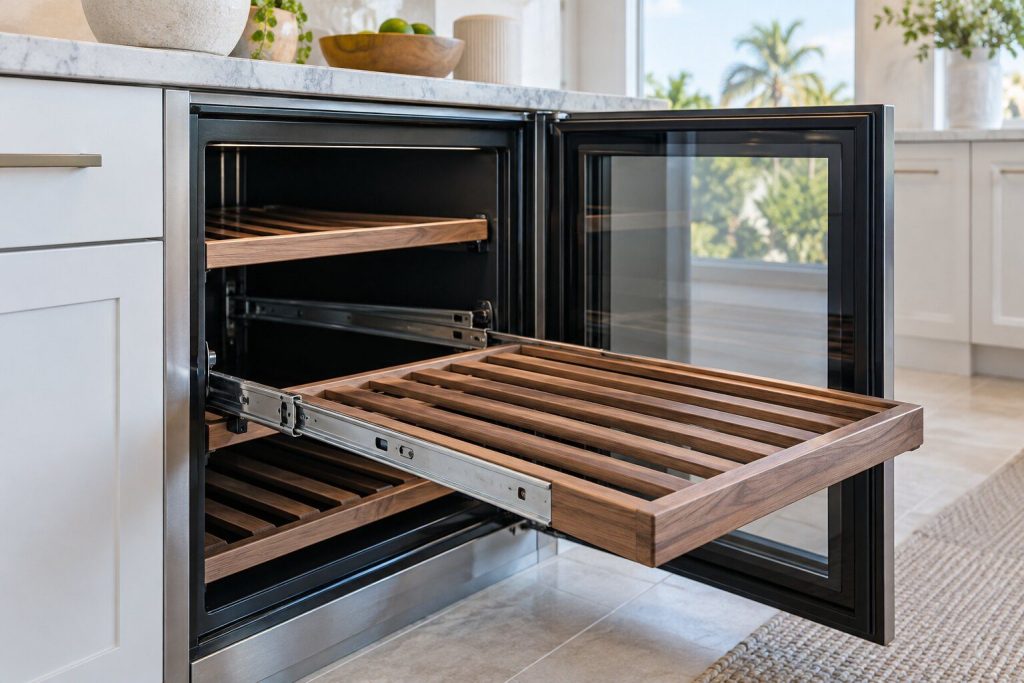
The wide walnut-slat shelving is the reason people chose this cabinet over a cheaper one, and it is a serviceable part rather than something to live with. Shelves that bind, runners that have gone out of square under years of front-loading, a slat that has split — all of them are fixable, and none of them is worth a separate call-out on their own. Mention it when you book something else and it is usually done in the same visit.
- Walnut-slat shelving is a serviceable part, not a fixed fitting
- Binding is normally the runner rather than the shelf
- Worth adding to another visit rather than calling out separately
In more detail
About Electrolux wine and beverage coolers
Two cabinets, and the words matter
This trade uses "wine cooler", "wine fridge", "beverage center" and "wine cellar" as if they were one thing. On this badge they are two specific appliances, both 24 inches, both under-counter, and neither of them a dual-zone cellar with vibration-damped racking. Advice written for a cellar — about humidity control, about long-term aging — is the wrong advice for either of these, and we would rather say so than let it stand.
Installation is most of the diagnosis
More than any other appliance in a kitchen, these fail because of where they were put. Fitted flush into a run of joinery with no rear clearance and no front grille, a cabinet recirculates its own warm air, and nothing fitted inside will change that. So we look at how the unit was put in before we look at the machine — it settles the call often enough to justify the minutes.
This article is based on:
- Official manufacturer documentation
- Internal repair procedures
- Technician repair history
- Company quality standards
Before you book
Questions about Electrolux wine and beverage coolers
It holds overnight and drifts every afternoon.
That is the room working on the cabinet, and usually not a failure. A small compressor behind a glass door in an 80-degree kitchen can run continuously and still lose ground. Before anything is replaced we look at the door seal, the clearance around the unit and the condenser, because a cabinet built flush into a bar run with no air path does precisely this while being mechanically sound.
The glass is misting on the inside.
Warm damp air arriving at chilled glass, and a trace of it here is simply the season. Constant misting narrows to three things: a seal that has lost its pull, a rack loaded so full that the door never quite shuts, or a setpoint below anything the wine asks for. Run through those before booking us, and if we do attend we will tell you which one it was.
One of the walnut shelves is binding.
The wide-slat shelving is the part of this cabinet people actually chose it for, and it is a serviceable part. Binding is usually the runner rather than the shelf, and on a cabinet that has been loaded heavily at the front it can simply be out of square. It is a small job and worth mentioning when you book something else.
Is a beverage center the same machine as a wine cooler?
Not quite, and it matters for the repair. The beverage center runs colder and is built for cans and bottles standing up; the wine cooler holds a narrower band at a warmer temperature and its shelving is designed for bottles lying down. They share a cabinet size and very little else, so telling us which you have saves a wasted visit.
Where we do it
Across Miami-Dade, Broward, and Palm Beach
Same terms everywhere we go: an on-site diagnostic first, the price agreed in writing, and the exact figure confirmed once we have seen the unit.
Neighborhoods people ask for by name